
Why Do Residents in East Aurora, NY Need Roof Financing?
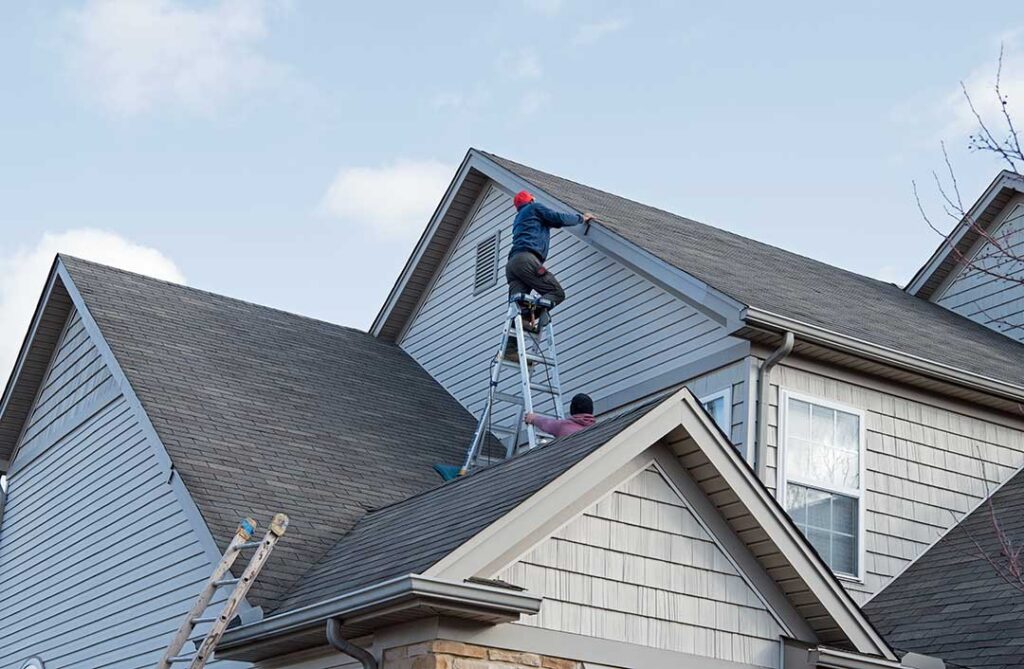
Many households in East Aurora face roof replacement due to aging roofs, storm damage, or insulation upgrades. Roofs in the region can often suffer from ice dams, wind storms, and snow accumulation, leading to replacement needs at inopportune financial moments. Because the cost of a new roof is significant—often ranging from several thousand to tens of thousands—it’s common for local homeowners to explore payment options beyond a single cash outlay.
What Financing Options Are Typically Available for Roof Replacement?
Residents typically have access to several types of financing for a new roof. Each comes with its own approval process, payment terms, and qualifications:
- Home Equity Loans or Lines of Credit (HELOC): These use home equity as collateral and usually offer lower interest rates than unsecured loans. Repayment terms can range from a few years to over a decade, making them a common choice for larger projects.
- Personal Loans: Offered by banks or credit unions, these don’t require equity but generally have higher interest rates and shorter repayment periods. Approval depends on credit history and income.
- Credit Cards: Some may cover roof costs using credit cards, though this is less common due to high interest rates unless used for short-term financing with a plan to pay off quickly.
- Roofing-Specific Financing Programs: Some national financial institutions offer loans tailored to home improvement or specifically roofing, sometimes with deferred payments or introductory rates.
- Government Programs or Grants: Rare but possible for qualified households, especially if addressing health, safety, or energy efficiency concerns.
- Insurance Claims: If roof damage is storm- or weather-related and coverage applies, insurance payouts can offset or cover costs, but approval follows strict criteria.
Do Local Weather Conditions Affect Roof Financing Decisions?
Yes, the region’s heavy seasonal snow loads, freeze-thaw cycles, and risk for wind damage make roofs a higher-maintenance component of East Aurora homes. This urgency often drives the need for swift financing decisions when leaks or failures occur in late fall or early spring. Some lenders offer expedited approval for urgent repair needs, so local residents may want to ask if emergency financing is available.
What Should Area Households Consider When Comparing Lending Options?
Start by checking the size of the loan, interest rates, monthly payment amounts, and the overall cost over time. Ask these questions:
- What is the total interest paid over the life of the loan?
- Are there penalties for early repayment?
- Will draws from home equity impact property taxes or future refinancing?
- How fast is approval, and when are funds disbursed?
- Are there upfront fees, closing costs, or origination charges?
Misunderstanding true costs and payment schedules is a common pitfall. Some residents may be surprised at how much more a roof will cost over several years if interest rates climb, especially with variable-rate financing.
Are There Special Financing Programs or Assistance in East Aurora?
In some cases, local or county housing agencies may offer assistance to help households in particularly vulnerable situations—such as grants or no-interest loans for critical home repairs. Eligibility is typically based on income, disability, age, or emergency status, rather than the type of home or roof covering. It’s important to check relevant public agency websites for any temporary programs responding to severe weather events or housing safety concerns.
How Do Insurance and Financing Work Together?
If roof damage is covered by a homeowner’s insurance policy—for example, after a severe windstorm—insurance is usually the first step. Insurance may pay the claim either directly to the homeowner or in some cases, via a two-party check requiring lender approval for repairs on mortgaged homes.
Sometimes residents take out a loan for the full replacement amount first and then use an insurance payout to reduce the balance, minimizing interest paid. Filing the insurance claim promptly and understanding the claim process helps in timing when to secure additional financing.
What Should Residents Avoid When Financing a Roof Replacement?
Some mistakes are more common than others. Area households should be wary of:
- Rushing into high-interest loans out of urgency, when a few days’ research could uncover lower-cost options.
- Using short-term “promotional” financing that converts to very high interest after a grace period.
- Accepting the first loan offered without comparing rates or terms from multiple sources.
- Overestimating insurance payouts before the adjuster’s assessment is finalized.
Taking time to review paperwork, ask questions about terms and penalties, and understand how seasonal expenses (like winter heating costs, property taxes, or snow removal fees) fit into the bigger financial picture can prevent long-term hardship.
Why Is a Roof Loan Different from Other Home Improvement Loans?
While the principles are similar, roof projects are often unplanned and urgent due to weather risk or code compliance. The total cost is often higher than small renovations, but lower than full-scale remodels. Another distinction: roof replacements may carry stricter timing requirements for disbursement, especially where water leaks are causing immediate interior damage. Lenders familiar with regional needs may offer products acknowledging these realities.
What Alternatives Are There to Traditional Financing?
Some local residents reduce loan amounts by combining payment sources:
- Drawing partially on savings and partially on a small loan
- Using an income tax refund as a lump sum toward the expense
- Arranging a payment plan directly with contractors rather than external financing (when available and in compliance with local contract laws)
- Applying for community aid or weatherization programs if eligible
These strategies can make it easier to manage costs over time, and may reduce reliance on high-interest credit.
How Should Homeowners Prepare for a New Roof Investment?
Preparing for a new roof means more than securing a loan. Collect estimates taking into account local climate-resilient materials (like ice- and water-shield underlayments or heavy-duty shingles for snow loads), check personal credit status for better loan rates, and understand all planned financial commitments before signing any agreement. Gathering recent tax returns, mortgage statements, and insurance documents will also streamline applications for most major loans.
