
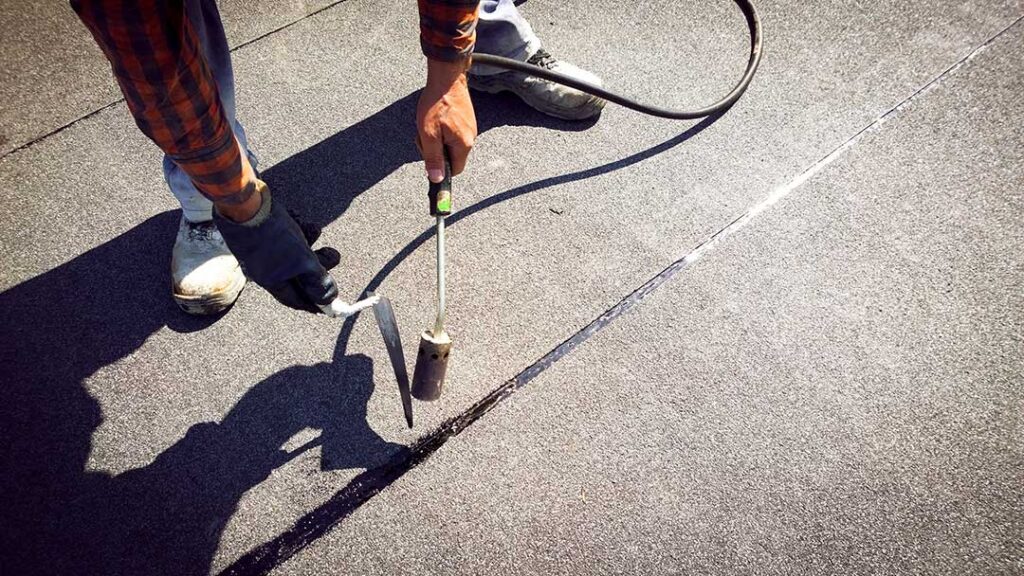
What Are Roof Coatings and How Do They Work?
Roof coatings are liquid-applied layers, typically made from acrylic, silicone, or similar materials, designed to be applied over existing roofing surfaces. Once cured, these coatings form a seamless, waterproof membrane intended to extend the life of a roof and improve its performance.
In East Aurora, NY, roof coatings are often considered by residents looking for ways to manage roof upkeep in a climate noted for its cold winters, occasional heavy snow, rain, and seasonal fluctuations in temperature. Understanding what roof coatings actually do—and what they don't—can help homeowners determine whether this approach fits their needs.
What Are the Main Advantages of Roof Coatings for Local Homes?
Roof coatings offer several potential benefits, especially for area households with aging but still intact roofs:
- Cost Efficiency: Compared to full roof replacement, applying a coating is typically more affordable. Homeowners may delay the expense and disruption of major roofing work if a coating is a suitable option.
- Waterproofing Support: When applied correctly to a sound substrate, coatings can help seal small cracks and minor seams, reducing the risk of leaks—a useful feature in East Aurora, where rain and melting snow can find their way through vulnerable spots.
- Reflective Properties: Many coatings are formulated to reflect sunlight, reducing surface temperatures on sunny days. This can help moderate attic heat gain in late spring and summer, which may contribute to lower cooling costs.
- Quick Application and Minimal Disruption: Most coating projects can be completed quickly, with less noise and mess than tearing off and replacing roofing materials.
For many in the community, these features seem particularly appealing if an older roof is not yet failing or if patchwork alone isn’t enough to address occasional leaks.
Are There Drawbacks or Limitations to Roof Coatings?
Roof coatings are not a cure-all, and there are important limitations for residents to weigh:
- Not a Substitute for Structural Repairs: Coatings must be applied over roofs in relatively good condition. Serious structural damage, significant rot, or widespread leaks in the underlying materials can’t be fixed with a coating; problems like these require more thorough repairs.
- Limited in Freeze/Thaw Cycles: In places like East Aurora, coatings must withstand repeated freezing and thawing. Some products may crack, peel, or split over time if they are not rated for harsh winter conditions, resulting in the need for reapplication or repairs more frequently than expected.
- Surface Preparation Matters: A roof must be thoroughly cleaned and prepped beforehand. Any trapped moisture, debris, or loose material can compromise adhesion, reducing the life of the coating.
- Not Always Compatible with All Roof Types: Some coatings are designed for flat roofs or specific materials (e.g., metal, modified bitumen roofs). Shingled roofs typically are not ideal for coating, and using the wrong product may void manufacturer warranties.
- Lifespan Is Limited: While coatings extend roof life, they are not permanent. Most require reapplication every 5-10 years depending on the specific material, application quality, and local weather exposure.
When Might Roof Coatings Be a Good Fit for East Aurora Homes?
A coating may be worth considering if:
- The roof is flat or low-slope and structurally sound
- Previous localized repairs are no longer holding up, but decking and insulation remain in good shape
- There’s a need to buy some time before investing in a full roof replacement
- There’s a desire for improved energy efficiency during warmer months, but without a full-scale construction project
Examples include local homes with older built-up, EPDM, or metal roofs with aged but still serviceable surfaces, or flat-roofed outbuildings like garages or sheds.
What Misunderstandings Do Homeowners Often Have About Roof Coatings?
A common misconception is that a roof coating can fix all types of roofing problems or provides a “10-year guarantee” against leaks. In reality, coatings are only effective on roofs that are already mostly watertight and stable. They cannot fix sagging, extensive rot, or issues caused by poor roof ventilation. Another source of confusion is the difference between coatings and sealants; while both aim to waterproof, coatings cover an entire surface, whereas sealants are for spot repairs.
Some residents may also believe that all coatings are the same. There are substantial differences in performance between products, particularly regarding their suitability for local climate stresses.
What Should Area Residents Consider Before Choosing a Coating?
Before moving forward, consider the following:
- Roof Age and Condition: If the roof is near the end of its life or has widespread damage, replacement might be more reliable than patching with a coating.
- Type of Roofing Material: Flat or low-slope roofs usually respond best. Shingled or very steep roofs rarely benefit and may actually suffer.
- Local Climate Factors: Prolonged snow cover, temperature swings, and the cycle of freezing and melting common in East Aurora can influence how well a coating performs and how often it will need attention.
- Future Work: Coatings can complicate inspections and roof work down the line. Heavy buildup over time may make a full replacement more involved.
How Does Weather Impact Roof Coating Success Locally?
Weather conditions during application and over a coating’s lifespan directly affect success. Application should only take place when the roof is dry, and mild temperatures are expected for at least 24 hours. In East Aurora, long autumns and sudden spring storms can reduce the safe window for proper application.
Harsh winters and the potential for ice damming also put extra stress on coatings. Some products become brittle or lose their seal after repeated freeze/thaw exposure. Selecting materials with local weather in mind can make a substantial difference in performance.
Are There Maintenance Responsibilities for Coated Roofs?
Coated roofs do require routine attention. Homeowners should:
- Inspect the roof twice yearly, especially after winter and again in late fall
- Remove debris, leaves, and branches to avoid moisture traps
- Watch for signs of peeling, blistering, or cracking
- Address minor coating damage or reapply as recommended by the product specs
Following these practices helps maximize the value of the application and ensures early issues are caught before they become major leaks.
