
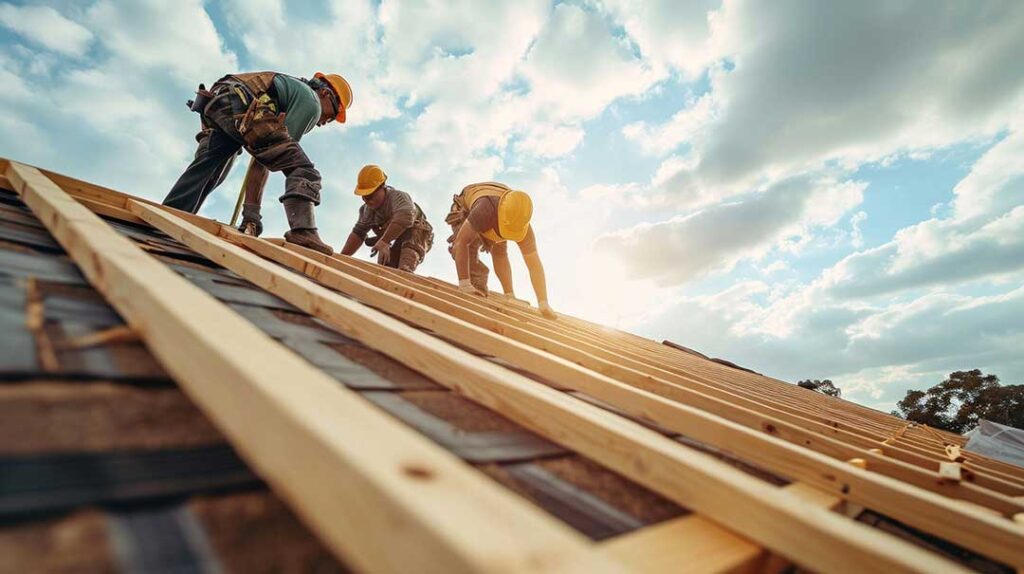
Roof repairs can range from replacing a few damaged shingles to correcting leaks around chimneys, valleys, skylights, or roof edges. The right roofing company should be able to identify the actual cause of the problem, explain the repair clearly, and document the work in writing.
For homeowners in East Aurora, NY, winter snow, freeze-thaw cycles, wind, heavy rain, and ice buildup can all affect roofing materials. Choosing a company based only on the lowest price may leave important underlying problems unresolved.
What should be checked before choosing a roofing company?
Start by confirming that the company is established, reachable, insured, and experienced with the type of roof on the home. A legitimate company should provide a verifiable business name, physical mailing address, working phone number, and clear written information about its services.
Ask for proof of:
- General liability insurance
- Workers’ compensation coverage
- Relevant registrations or local requirements
- References from recent customers
- Experience with similar roofing materials and roof designs
Insurance matters because roof work involves ladders, steep surfaces, tools, and material handling. If a worker is injured or property is damaged, inadequate coverage can create serious complications for the homeowner.
New York does not require a single statewide license for every home-improvement contractor, although certain counties and municipalities have their own requirements. That makes it especially important to verify local rules rather than assuming that a contractor’s license claim applies everywhere.
How can a homeowner tell whether a roof repair diagnosis is reliable?
A dependable roofing inspection should identify the source of the damage, not just the most visible symptom. Water stains on a ceiling, for example, may come from a roof penetration, flashing failure, damaged underlayment, ventilation problem, or condensation.
A careful inspection may include:
- Examining shingles, metal roofing, or other surface materials
- Checking flashing around chimneys, vents, skylights, and wall intersections
- Looking at valleys, ridges, eaves, and roof-to-wall transitions
- Inspecting gutters and downspouts for drainage problems
- Reviewing attic insulation, ventilation, and signs of moisture
- Looking for damage caused by wind, falling branches, animals, or ice
The company should explain whether the problem is localized or likely to involve a larger section of the roof. Photos can be useful, especially when the damaged area cannot be safely viewed from the ground.
Be cautious if a representative recommends extensive replacement without showing evidence, refuses to explain the repair method, or claims that every issue requires an entirely new roof.
What questions should be asked about the proposed repair?
Before approving work, ask specific questions rather than relying on a general description such as “fix the leak.”
Useful questions include:
- What caused the damage?
- Which materials will be removed and replaced?
- Will damaged underlayment, flashing, or sheathing also be repaired?
- How will the new materials match the existing roof?
- Will the repair address ventilation or drainage concerns?
- What happens if hidden damage is discovered?
- How will exposed areas be protected if weather interrupts the work?
- How will old roofing materials and debris be removed?
These questions help reveal whether the proposal addresses the full repair or only the visible surface. In a climate with repeated freezing and thawing, a patch that leaves deteriorated flashing or trapped moisture in place may not remain effective for long.
How should roofing repair estimates be compared?
Compare estimates by scope, materials, labor, protection, and warranty—not just by the final dollar amount. Two proposals with different prices may describe very different repairs.
A written estimate should identify:
- The exact area or components being repaired
- The materials and quantities involved
- Preparation and tear-off requirements
- Labor and cleanup
- Any possible additional charges
- Payment timing
- Expected start and completion dates
- Warranty terms and exclusions
A very low estimate may omit necessary work, use lower-quality materials, or assume that no hidden damage will be found. A high estimate is not automatically more thorough either. The clearest proposal is usually the one that explains what will be done and what is not included.
It is reasonable to compare at least two or three written proposals, provided each company has inspected the roof and is pricing the same scope of work.
What should a roofing contract include in New York?
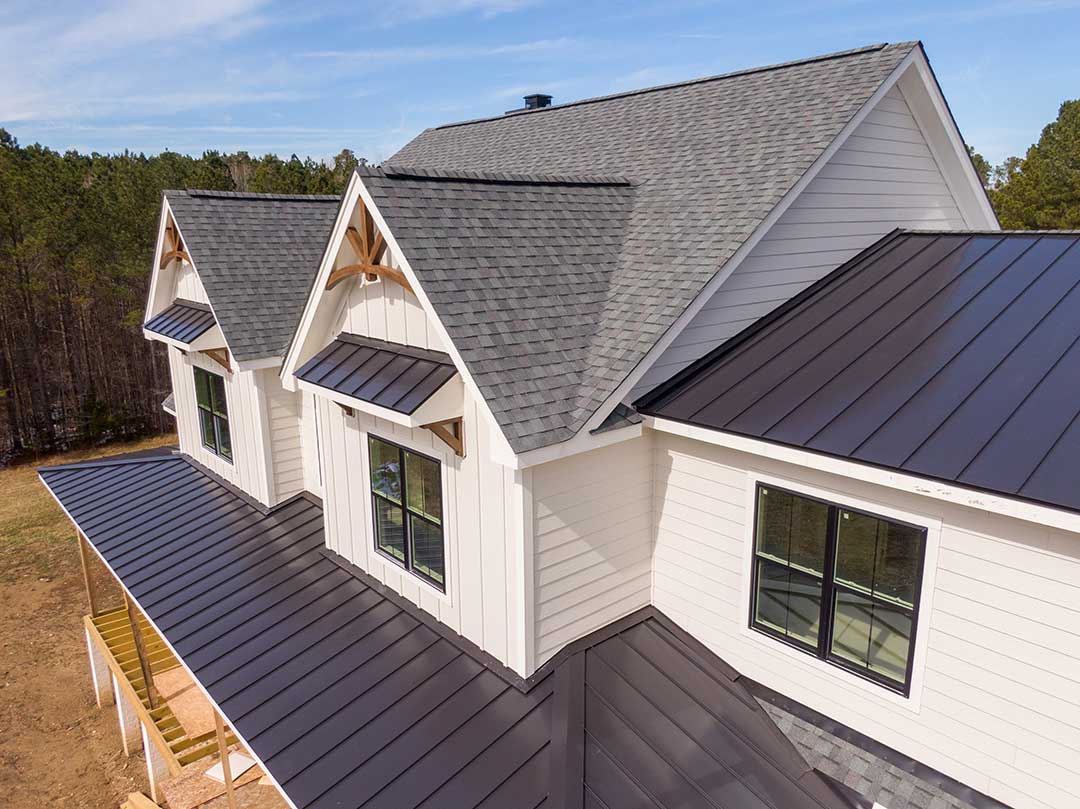
For qualifying home-improvement work above the state’s applicable threshold, New York requires a written contract with key information about the contractor, work, price, schedule, and payment arrangements. Homeowners should still request a written contract for smaller repairs because verbal promises are difficult to verify later.
Read the contract carefully before signing. It should explain:
- The contractor’s legal name, address, and phone number
- A detailed description of the work
- Materials to be used
- Approximate start and completion dates
- Total price and payment schedule
- Procedures for changes or concealed damage
- Warranty coverage
- Cleanup and disposal responsibilities
- Cancellation rights, where applicable
Do not sign a contract with blank spaces or vague language. Keep a complete copy, including attachments, material specifications, insurance documents, and any written change orders.
Large upfront payments deserve caution. A payment schedule tied to documented progress generally provides more protection than paying the full amount before work begins.
Is a permit needed for a roof repair?
Permit requirements can depend on the type and extent of work, the property’s location, and local building rules. Replacing a few shingles may be treated differently from structural repairs, extensive replacement, or work that changes the roof system.
Ask the roofing company whether a permit is required, then verify the answer with the appropriate building department before work starts. The homeowner should know who is responsible for obtaining the permit and whether inspections are part of the process.
Permit questions are especially relevant when repairs involve roof framing, sheathing, ventilation changes, additions, or damage from a major weather event. Unpermitted work can create difficulties during future renovations, insurance claims, or property transfers.
How can storm-related roofing scams be avoided?
Roofing scams often increase after wind, hail, or severe winter weather. Unsolicited door-to-door offers, pressure to sign immediately, demands for cash, and claims that insurance will pay for everything are warning signs.
A homeowner should be cautious if a representative:
- Arrives without being requested
- Insists that damage must be repaired immediately
- Discourages a second opinion
- Offers to waive the insurance deductible
- Requests a large cash deposit
- Wants the homeowner to sign insurance paperwork without explanation
- Cannot provide verifiable insurance or references
Insurance may cover certain sudden losses, but policies differ. Photograph visible damage, prevent additional water intrusion when safely possible, and review the policy before authorizing substantial non-emergency work. A roofing company should not guarantee an insurance outcome.
When is a roof repair an emergency?
A repair deserves prompt attention when water is actively entering the home, a roof section is sagging, large areas of material have blown away, or electrical components may be exposed to moisture. Temporary protection may be necessary to prevent additional damage.
Homeowners should avoid climbing onto a wet, icy, or steep roof. Interior water can also create electrical and structural hazards. If the roof or ceiling appears unstable, stay clear of the area and address immediate safety concerns first.
For routine issues such as isolated missing shingles, worn flashing, or clogged drainage, careful comparison of companies and written proposals is usually possible. The best choice is the company that combines a sound diagnosis, transparent scope of work, appropriate insurance, realistic scheduling, and clear documentation.
