

What Does the Roofing Process Involve?
The roofing process is the collection of steps and decisions required to replace or repair a roof, protecting homes from the varied weather common in East Aurora, NY. Many residents are unsure what happens once a roof project begins or how long it should take. Understanding this process can help homeowners plan and avoid surprises.
The typical roofing process includes:
- Initial inspection and assessment
- Choosing roofing materials suited to local climate
- Removal of the old roof (if necessary)
- Addressing any deck repairs
- Installation of new roofing components
- Cleanup and final inspection
Each of these steps may look slightly different depending on your home’s age, design, and the time of year, especially with the area’s freeze-thaw cycles and seasonal precipitation.
How Is a Roof Inspection Done?
A roof inspection is the first step in any project, assessing both visible and hidden damage. In East Aurora, roof aging is often accelerated by heavy snow, ice dams, and wind from the nearby lake plains.
The inspection usually includes:
- Looking for missing or damaged shingles
- Checking flashing around chimneys, skylights, and vents
- Examining attic spaces for leaks or water stains
- Assessing the state of the roof decking from inside and out
Frequently, residents assume leaks start at the surface, but in older homes, moisture intrusion often starts with worn flashing or hidden gaps caused by previous ice dams.
Which Roofing Materials Are Best for East Aurora Homes?
Local weather patterns play a big part in material choice. In East Aurora, the climate features heavy snowfall, freeze-thaw cycles, and occasional windstorms—each placing unique stress on roofing systems.
Common roofing materials locally include:
- Asphalt shingles: Popular for their affordability and versatility; available in many colors and typically a good fit for the city's historic houses.
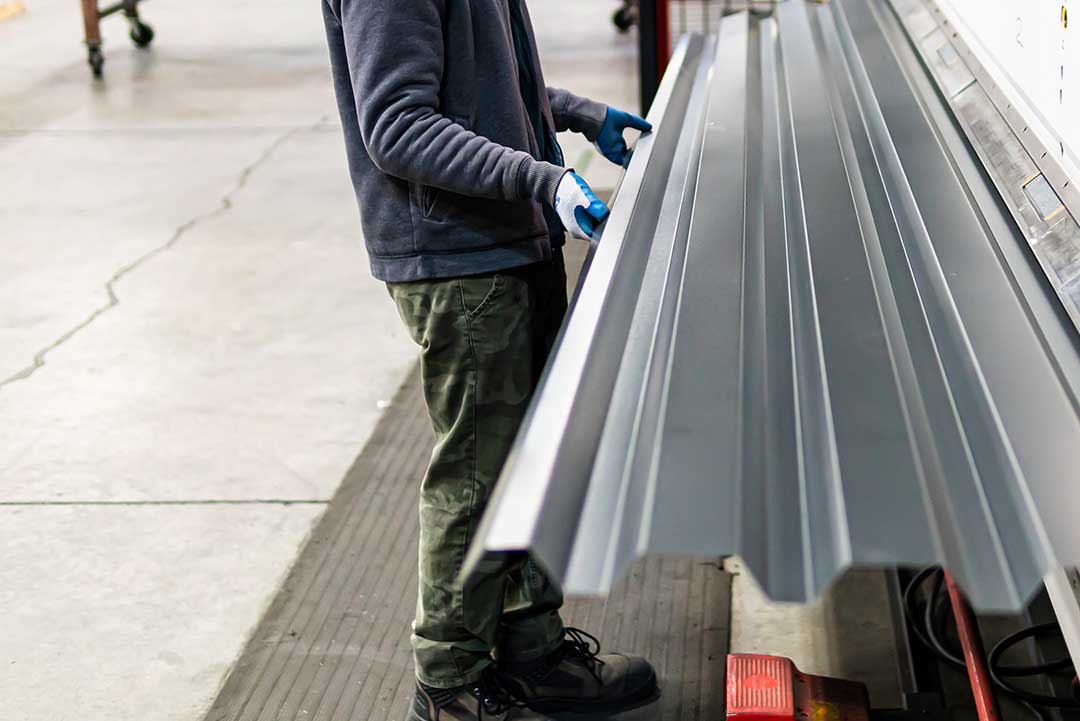
- Metal roofing: Increasingly used for its durability in snowy conditions and ability to shed water quickly.
- Architectural shingles: Thicker than standard asphalt, these can offer extra wind and ice resistance.
Residents often ask if dark shingles are better for winter. While darker shingles may help melt snow quicker, they can also raise attic temperatures in the summer—ventilation and insulation are usually more important than shingle color alone.
What Happens During Roof Removal and Preparation?
If your roof is being replaced, old materials need to be carefully removed before new installation. On older East Aurora homes, wood shingle layers may be found under asphalt—these must be fully removed to avoid future moisture problems.
After removing old roofing:
- The decking (wood underneath the shingles) is inspected for rot, mold, or soft spots caused by past leaks or ice dams.
- Any damaged decking is replaced to provide a solid foundation for new materials.
- Ice and water barriers are typically installed along eaves and valleys to prevent leaks—critical in areas facing heavy snow accumulation or freeze-thaw cycles.
Skipping this step or re-roofing over damaged decking can result in early roof failure, especially with the city’s damp springs and heavy snows.
What Should Homeowners Expect During Roof Installation?
During installation, new layers are carefully installed, starting with underlayment, flashing, and then the surface materials. Good contractors work section by section to keep homes protected even if weather changes quickly.
Here’s what to expect:
- Installation can range from one day to several days based on house size, weather conditions, and material.
- Some noise and mess are unavoidable, but reputable crews minimize yard and garden disruption.
- Special care is often required around mature trees, narrow driveways, or historic home features found throughout the city.
A common misconception is that all roofing can be done in winter. While winter installations are possible, snow, ice, or very cold temperatures can slow progress and may increase the risk of shingles not sealing properly.
How Is Project Cleanup Handled?
Cleanup is a vital part of the roofing process. As shingles, nails, and debris are removed, these must be gathered and hauled away to prevent harm to pets, children, or landscaping.
For most East Aurora homes, cleanup includes:
- Magnet sweeping the yard for stray nails
- Disposing of old shingles and materials properly
- Removing debris from gutters and downspouts
Homeowners often overlook cleanup regulations. Check local guidelines before discarding old roofing materials, as certain types may require special handling. Neglecting thorough cleanup sometimes leads to flat tires, injuries, or clogged drains.
Does the Roofing Process Require Permits or Inspections in East Aurora?
Roofing projects in the city usually require permits, especially for full roof replacements or structural changes. Inspections may be required by local building departments to ensure the project meets code and is safe.
Most residential re-roofing stays within established guidelines, but:
- Any significant changes to roof shape, height, or materials may require further review.
- Historic homes might involve extra steps or approvals, particularly if located within designated historic districts.
Some residents assume small repairs or overlaying a new layer of shingles don’t need permits, but rules frequently depend on project size and specific city regulations. Always check before starting.
What Are Common Misconceptions About the Roofing Process?
Residents often underestimate:
- The role of attic ventilation—improper ventilation can lead to ice dams and summer heat buildup.
- The impact of local weather—projects sometimes run longer due to sudden storms or high winds.
- The importance of written project details—clarifying the scope and timeline in advance can help prevent stress.
Another common myth is that all leaks start with damaged shingles, when flashing, underlayment, and even clogged gutters can be culprits.
How Long Does a Roofing Project Typically Take in East Aurora?
Most single-family homes with common designs can have a roof replacement completed in two to four days in fair weather. Larger or more complex homes, or projects started during a spell of rainy conditions, may take longer.
Factors influencing timing:
- Home size and shape
- Material choice (e.g., metal roofing may take longer to install than asphalt shingles)
- Weather interruptions (often a concern in early spring and late fall)
- Necessary deck repairs discovered after old materials are removed
Preparation and clear communication about timing helps area households avoid disrupted routines, especially if pets, children, or elderly relatives are present.
