

Is It Safe to Handle Roof Repairs on Your Own?
Generally, minor roof work can sometimes be done safely by residents with the right knowledge, tools, and precautions. However, weather conditions, roof height, pitch, and the nature of the repairs often make this work risky. In East Aurora, seasonal weather variations and older housing stock add extra considerations.
Even small jobs such as replacing a few shingles or cleaning the gutters pose risks, especially without prior experience working at heights. In this region, steep roofs and unpredictable weather can increase those risks.
What Makes Roof Work More or Less Risky in East Aurora?
Snowfall, ice accumulation, and wind are major factors for the city. Many homes have architectural features—such as dormers, gables, or slate roofs—that complicate repairs. Other key factors include:
- Roof height and steepness: Most single-story houses with low-slope roofs are less dangerous than multi-story or steep-pitch roofs.
- Age and material: Older roofs or brittle materials (like slate) may not support weight well.
- Weather patterns: Sudden changes in temperature, high winds, and wet surfaces increase slipping hazards.
Residents should avoid roof work during freezing, rainy, or windy conditions—common challenges throughout much of the year locally.
Which Roofing Tasks Are Generally Safe for Homeowners?
Tasks without a requirement for climbing, or those close to the ground, tend to be the safest. For example:
- Clearing debris from low, accessible gutters (using a stable ladder on even ground, not standing on the roof itself)
- Checking attic spaces for signs of leaks or water stains
- Replacing one or two missing shingles on low or gently sloped, single-story homes—only if the roof surface is dry and stable
If the job calls for walking on a steep-pitch roof, removing heavy materials, or using power tools at height, safety risks rise sharply.
What Safety Precautions Are Essential in This Community?
In East Aurora and similar regions, taking extra precautions makes a significant difference:
- Always monitor weather forecasts; delay all work if rain, snow, frost, or high winds are expected.
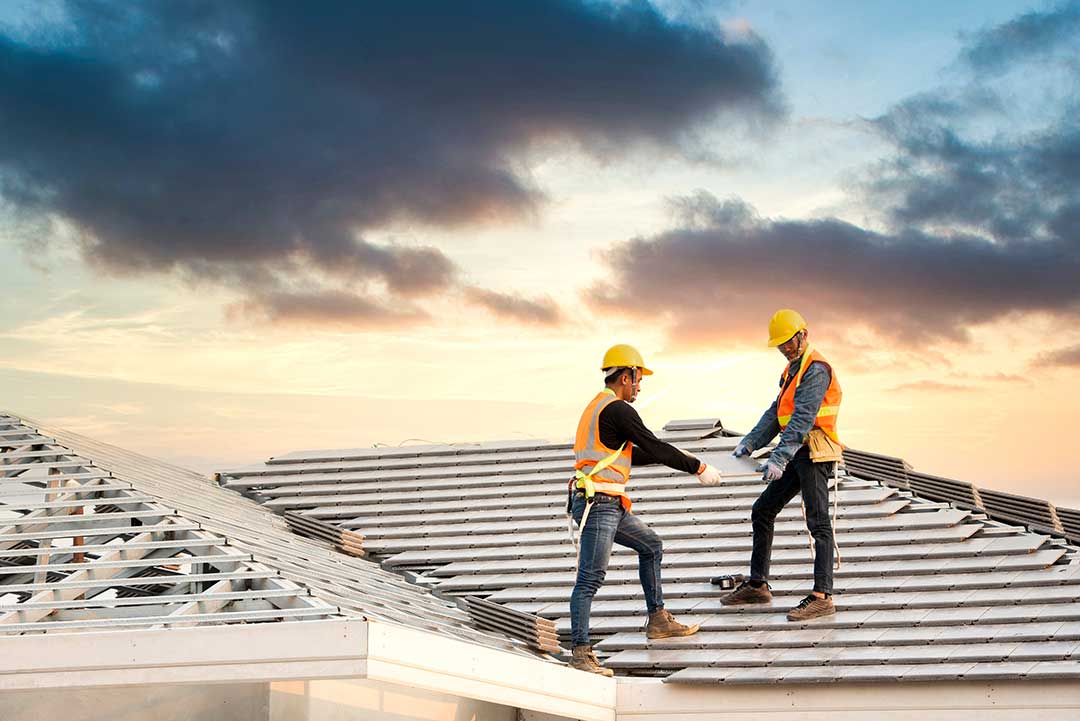
- Use a safety harness and roof anchors, especially on slopes.
- Never work alone—keep another adult aware of your presence in case of emergency.
- Wear non-slip boots, gloves, and eye protection.
- Only use ladders on level, firm surfaces, and never climb higher than recommended.
- Inspect the roof and ladder before starting; look for mold, moss, or signs of rot.
Local conditions—like rapid weather changes, frequent freeze-thaw cycles, and clay soils that affect ladder footing—require extra vigilance compared to many other regions.
How Do Local Building Codes or Neighborhood Rules Affect DIY Roof Work?
In some neighborhoods, especially historic districts, even minor exterior repairs may require approval or a permit. East Aurora’s building codes set requirements for roof structure and safe renovation practices.
Before making changes beyond simple shingle replacements, area households should check municipal guidelines to ensure repairs won’t violate local ordinances.
What Are Common Misconceptions About DIY Roof Repairs?
A frequent misconception is that all small leaks or damaged shingles are “easy fixes.” Even minor issues can have hidden complications, like rotted decking or unsteady footing. Seasonal climate changes in East Aurora can cause subtle damage not visible at first glance.
Another misconception is that watching online tutorials is all that’s needed to safely complete roof work. While videos can be helpful, they may not account for local climate, common roof types, or specific hazards present in this community.
When Should Roof Work Be Left to Professionals?
Certain circumstances mean self-repair is not safe or legally permitted. Homeowners should avoid doing roof work themselves when:
- The roof is more than one story high or especially steep.
- Ice dams, snow cover, or wet debris are present.
- There’s structural damage, mold, or sagging—signs the roof may not support weight.
- Work requires specialty tools, electrical knowledge, or complex repairs (flashing, underlayment replacement).
- Enforcing codes or insurance requirements are involved.
If there’s any uncertainty around safety, local codes, or the roof’s condition, it’s usually safer for residents to avoid DIY attempts.
What Else Should Residents Consider Before Starting DIY Repairs?
Factor in the physical effort, time, and potential costs of mistakes. Roof work can quickly become more complex due to hidden damage—a common challenge in aging homes throughout East Aurora.
If you feel unsteady with heights, experience any medical limitations, or have doubts about the tools and safety devices at hand, it’s likely best to avoid the task or consult with a trusted local resource before beginning.
