
What makes a roof durable?
For homeowners in East Aurora, NY, a durable roof is one that can tolerate repeated snow, freezing temperatures, wind, summer heat, moisture, and seasonal expansion without losing its protective function. Material lifespan matters, but so do installation quality, roof design, attic ventilation, drainage, and routine maintenance.
A roof may be advertised as lasting several decades, yet perform poorly if water collects around chimneys, ice dams form along the eaves, or fasteners and flashing are not suited to local conditions. Durability is best understood as a combination of material strength and how well the entire roofing system handles weather.
Which roofing materials generally last the longest?
Natural slate, high-quality metal roofing, clay tile, and concrete tile are among the longest-lasting roofing materials. Their service lives can range from several decades to more than a century, depending on the material, installation, structural support, and maintenance.
Typical lifespan ranges are approximate:
- Natural slate: 75 to 150 years or more
- Copper or other high-quality metal systems: 50 to 100 years or more
- Steel or aluminum roofing: roughly 40 to 70 years
- Clay or concrete tile: approximately 50 to 100 years
- Synthetic slate or composite roofing: about 40 to 75 years
- Architectural asphalt shingles: commonly 25 to 40 years
- Wood shingles or shakes: often 20 to 40 years with careful maintenance
These are not guarantees. Harsh exposure, poor ventilation, improper fastening, storm damage, and neglected repairs can shorten the useful life of any roof.
Is metal roofing a durable choice for local weather?
Metal roofing is often well suited to areas with snow, freeze-thaw cycles, and strong seasonal weather. Properly installed panels or metal shingles shed water efficiently and are not vulnerable to the granule loss that affects asphalt shingles.
A metal roof can also reduce the likelihood of snow remaining on the surface for long periods, although snow guards may be needed above entrances, walkways, or other areas where sliding snow could create a hazard. Smooth metal surfaces can release snow suddenly, so roof design and snow management matter.
Durability depends on several details:
- The metal type and protective coating
- Resistance to corrosion and scratching
- Fastener quality and placement
- Proper treatment of roof penetrations and edges
- Compatibility with the roof’s slope and drainage design
Metal roofing is not automatically maintenance-free. Coatings can weather, sealants can deteriorate, and improperly installed panels can allow leaks around vents or chimneys.
Does slate last longer than other roofing materials?
Natural slate is one of the longest-lasting roofing materials available. Dense, high-quality slate can remain functional for many decades and may outlast the building beneath it.
Its main limitation is weight. The roof structure must be capable of supporting the material, and repairs require specialized knowledge because individual pieces can crack if walked on or handled improperly. Slate can also be damaged by falling branches, severe impact, or careless maintenance work.
Synthetic slate offers a lighter alternative that can resemble natural slate while reducing structural demands. Its expected lifespan varies considerably by formulation and manufacturing quality. Some products perform well for decades, while others may age more quickly than natural stone.
For older homes, replacing a slate roof with a different material should not be treated as a simple appearance decision. The change can affect roof weight, flashing details, ventilation, and the building’s historic character.
Are clay and concrete tiles durable in a cold climate?
Clay and concrete tiles can last for many decades, but their performance depends heavily on freeze-thaw resistance and installation details. Water absorbed into a porous tile can expand when it freezes, causing cracking or surface damage over time.
Tile roofing can work in cold regions when the selected material is rated for the climate and installed over a properly designed underlayment system. The roof structure must also support the considerable weight of concrete or clay.
Tile is durable against sunlight, rot, and insects. However, individual tiles can break from impact, foot traffic, or shifting structural components. The visible tile is only part of the system; underlayment, flashing, battens, ventilation, and drainage remain essential to keeping the building dry.
How durable are asphalt shingles?
Asphalt shingles are not usually the longest-lasting option, but they remain common because they are relatively lightweight, adaptable to many roof shapes, and available in a wide range of quality levels.
Basic three-tab shingles generally have shorter service lives than architectural or laminated shingles. Higher-quality architectural products may last 25 to 40 years under favorable conditions, but local weather exposure can reduce that period.
Signs that asphalt shingles are aging include:
- Curled, cracked, or blistered shingles
- Missing protective granules
- Dark streaks or exposed fiberglass
- Loose or deteriorated flashing
- Repeated repairs in the same roof area
- Shingle edges lifting after wind events
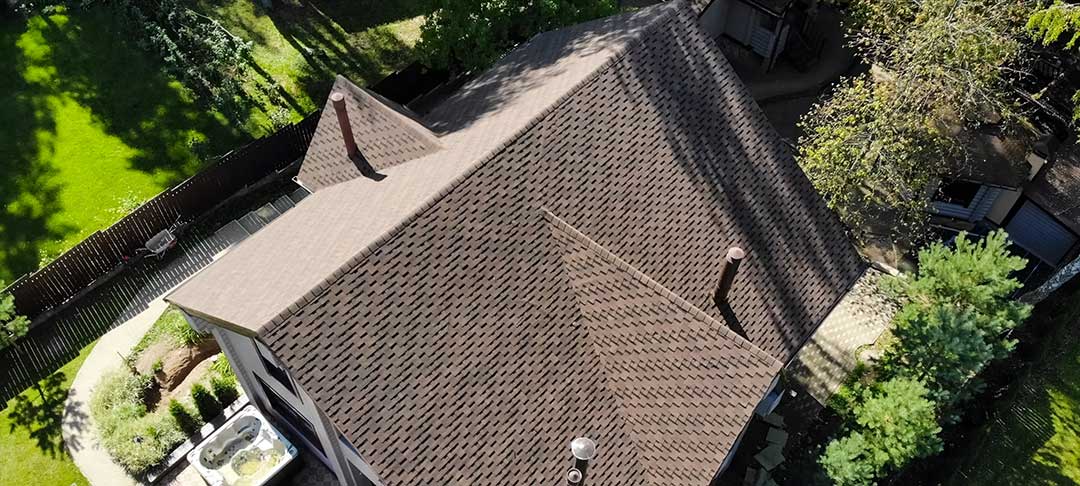
A roof does not need to be completely bare or visibly leaking before it requires attention. Small failures around valleys, penetrations, and eaves can allow moisture into insulation and roof framing.
What role does the roof slope play?
Roof slope strongly affects durability because it determines how quickly water and melting snow leave the surface. Steeper roofs generally drain more efficiently, while low-slope sections require carefully selected materials and more detailed waterproofing.
A material that performs well on a steep roof may not be appropriate for a shallow section. Low-slope areas can hold water longer, increasing stress on seams, underlayment, and flashing. They may also be more vulnerable to ice accumulation during freeze-thaw cycles.
Complex roof shapes create additional weak points. Valleys, dormers, skylights, chimneys, and roof-to-wall intersections require durable flashing and careful water management. These areas often fail before the main field of the roof.
Which material is the most practical for an older home?
There is no single best material for every house. For many older homes, the practical choice balances lifespan, weight, repairability, appearance, roof structure, and budget.
Natural slate or tile may provide exceptional longevity but require strong framing and specialized repairs. Metal can offer long service life and good weather resistance, but its appearance, movement, noise, and snow-shedding behavior should be considered. Architectural asphalt shingles are usually easier to install and repair, but they generally need replacement sooner.
Preserving existing roof components can also improve durability. Replacing sound flashing, improving attic ventilation, and correcting drainage problems may extend roof performance more effectively than changing materials without addressing underlying defects.
How can homeowners extend a roof’s service life?
Even durable materials benefit from regular observation. Local residents can look for changes after major wind, heavy snow, or ice events, especially around roof edges and penetrations.
Useful maintenance steps include:
- Keep gutters and downspouts clear so water can drain away from the roof
- Watch for ice buildup along eaves and repeated interior condensation
- Trim branches that can scrape or strike the roof
- Check attic areas for damp insulation, staining, or daylight
- Avoid walking on slate, tile, or brittle aging shingles
- Keep records of repairs, leaks, and roof inspections
- Address damaged flashing before water reaches the roof deck
Some conditions are hazardous, including steep roofs, unstable ladders, electrical hazards, and suspected structural damage. Those situations require qualified assistance rather than do-it-yourself inspection.
The longest-lasting roof is not necessarily the one with the highest advertised lifespan. It is the material and roof system that match the building’s structure, slope, ventilation, drainage, maintenance capacity, and exposure to East Aurora weather.
