
A baseball, soccer ball, basketball, or hockey puck can do more than leave a mark on siding. A hard impact may crack a roof shingle, loosen a flashing detail, damage a vent, or create a small opening that later allows water into the roof system. In East Aurora, NY, seasonal weather can make a minor impact harder to recognize and more likely to worsen over time.
Can a sports ball really damage a roof?
Yes. The risk depends on the ball’s material, speed, size, impact location, and the age and condition of the roofing materials.
A soft foam ball usually causes little or no damage. A regulation baseball, lacrosse ball, field hockey ball, or well-inflated soccer ball carries considerably more force. A ball kicked or thrown from close range can strike the roof with enough energy to:
- Crack or dislodge an asphalt shingle
- Break the seal that helps hold shingles together
- Dent or puncture thin metal flashing
- Damage plastic plumbing vent collars
- Crack skylight domes or roof-mounted plastic components
- Bend gutters, drip edges, or downspouts
- Mark roof surfaces without causing a leak
Older roofing is generally more vulnerable because years of sun, freezing temperatures, wind, and moisture can make shingles less flexible. A roof that already has curled, brittle, or loose shingles may be damaged by an impact that a newer roof would withstand.
Which parts of the roof are most vulnerable?
The most exposed areas are usually the roof edges, low-slope sections, visible gable ends, and roof features that rise above the shingles.
A ball landing on the broad field of the roof may cause a bruise or crack. A ball hitting a raised object can create more concentrated damage. Common vulnerable components include:
Shingles
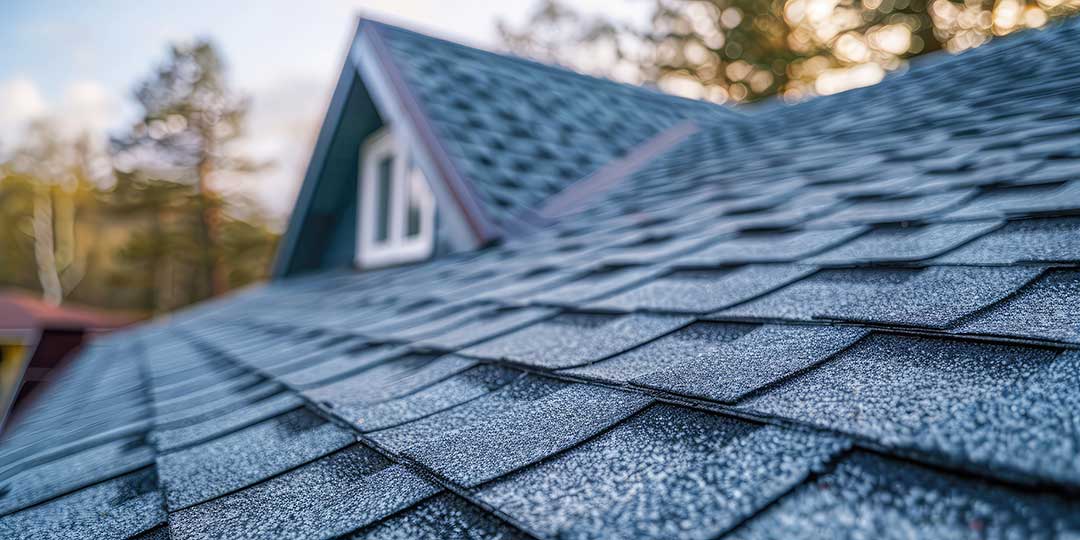
Asphalt shingles can split, lose their protective granules, or become partially detached. A crack may be difficult to see from the ground, especially if it follows the shingle’s texture or occurs beneath an overlapping course.
Flashing
Flashing protects transitions around chimneys, walls, valleys, skylights, and roof edges. Thin metal can dent or deform after a direct hit. Damage may not immediately produce a visible leak, but it can interfere with how water drains across the roof.
Vent pipes and collars
Plumbing vents often extend above the roof surface and can be struck by a ball. The pipe itself may survive while the rubber or plastic collar around its base cracks. Because this area is a roof penetration, even a small separation can allow water into the attic.
Skylights and roof windows
Plastic skylight components can crack from impact. Glass units may resist some impacts but can still be damaged, particularly at the frame, seal, or surrounding flashing.
Gutters and eaves
A ball that misses the roof may hit the gutter or fascia. Dents can interfere with drainage, while a loosened gutter may pull against the edge of the roof during later wind or heavy rain.
What signs suggest impact damage?
The most useful clues are often visible from the ground or attic rather than from the roof surface. Avoid climbing onto a wet, steep, icy, or damaged roof to inspect it.
From the ground, look for:
- A shingle that is missing, lifted, split, or noticeably darker
- Freshly exposed underlayment or wood
- A dented vent cap, flashing edge, or gutter
- Loose granules collected below one area
- A cracked skylight or roof-mounted plastic component
- A shingle tab that no longer lies flat
- A new mark that is accompanied by a displaced shingle
Inside the attic or upper floors, check for:
- Damp insulation
- Water stains on roof decking or ceiling materials
- A musty smell after rain
- Daylight visible through the roof structure
- Drips or dampness near a vent, skylight, wall, or chimney
- Peeling paint or bubbling drywall near the ceiling
A leak may not appear immediately. Water can travel along roof decking, rafters, insulation, or framing before reaching the interior. A dry ceiling on the day of impact does not prove that the roof is undamaged.
Does a visible mark always mean the roof is leaking?
No. A scuff, dent, or dark spot may be cosmetic, but it can also indicate damage beneath the surface.
Granule loss is one example. A small area of missing granules may not cause an immediate leak, yet it leaves the asphalt coating more exposed to sunlight and weather. A crushed or cracked shingle may remain watertight for a short period, then allow water in after repeated wetting, freezing, and thawing.
The opposite is also true: a leak may exist without an obvious exterior mark. If water appears indoors after a ball strike, the impact location and the leak location may not be exactly the same.
How can seasonal weather make the problem worse?
East Aurora experiences weather cycles that can test roofing materials repeatedly. Rain, snow, ice, wind, and periods of freezing and thawing may enlarge a small impact defect.
Water can enter a crack or lifted edge, freeze, expand, and place additional stress on the surrounding material. Snow and ice may conceal the original damage for weeks. Strong wind can lift a shingle that was loosened but not fully detached by the impact.
Spring and summer also bring frequent outdoor play, while autumn debris and winter snow can make visual inspection more difficult. For that reason, a roof should be checked after a notable impact even if no immediate leak is visible.
What should a homeowner do immediately after a ball hits the roof?
Start with observation from a safe location. Note the approximate time, the type of ball, where it struck, and whether rain or strong wind followed.
Do not walk on the roof to investigate unless the surface is safely accessible and the inspection can be performed without creating a fall hazard. Sloped roofs, wet shingles, moss, snow, and ice are especially dangerous.
If water is entering the home:
- Place a container under active dripping
- Move furniture, electronics, and other belongings away from the leak
- Photograph visible interior and exterior damage from safe locations
- Avoid puncturing or cutting the ceiling, since trapped water may spread unexpectedly
- Treat electrical fixtures near water as a potential shock hazard
A temporary exterior cover may help in an emergency, but placing a tarp on a roof can be hazardous and can cause additional damage if installed incorrectly. Water intrusion that is spreading, near electrical wiring, or affecting a ceiling should be treated as a safety concern rather than a cosmetic issue.
Can a damaged shingle be repaired, or does the whole roof need replacement?
A single damaged shingle does not automatically mean the entire roof must be replaced. If the surrounding roofing is in sound condition, a limited repair may be possible. The correct response depends on the type of damage, the roof’s age, the availability of matching materials, and whether hidden layers were affected.
A broader evaluation may be warranted when:
- Multiple shingles were struck
- The roof is already near the end of its expected service life
- The impact affected flashing, vents, or a skylight
- There are interior water stains
- Shingles are brittle, curled, or losing large amounts of granules
- Previous repairs have created several patched areas
The goal is to distinguish isolated impact damage from a larger maintenance problem. Replacing an undamaged roof solely because one ball caused a small defect is not always necessary, while ignoring damage because it appears minor can allow moisture into the roof assembly.
How can sports-related roof damage be prevented?
Prevention usually depends on changing the direction and location of play rather than modifying the roof itself.
Keep hard-ball activities away from areas where a missed throw or kick can reach the roof. Use softer practice balls for confined yards, position goals so shots travel away from the house, and avoid throwing or hitting balls near windows, skylights, parked vehicles, and roof edges. Nets or other barriers may help where space is limited, but they should be securely installed and maintained.
Regular visual checks are also useful. Inspect the roof after a particularly hard impact, after severe weather, and before winter if the property has already experienced loose or brittle shingles. Early attention can help separate a small, localized defect from damage that has begun to affect the attic or interior ceiling.
