

What Basic Tools Are Needed for Routine Roof Upkeep?
For most households in East Aurora, basic roof maintenance rarely requires specialized or high-cost equipment. Residents can keep their roofs in good shape year-round with a reliable ladder, safety essentials, and simple cleaning tools.
Start with a sturdy ladder that reaches the lowest part of your roofline comfortably. Stabilization features are highly recommended due to the sloping yards and seasonal slickness from leaves or snow. Always inspect your ladder before use, especially after it’s been in storage.
Safety is essential. Non-slip work boots provide traction on shingles, especially during East Aurora’s rainy fall or icy winter transitions. Work gloves help prevent cuts from metal flashing or rough shingles. Many locals overlook the value of a basic harness for sloped roofs; even on one-story homes, a roof harness or safety rope anchored securely can prevent accidents.
For cleaning, a soft-bristled broom helps clear loose debris without damaging shingles. Leaf blowers are popular but must be used carefully to avoid lifting shingles or forcing water under edges.
How Can Residents Safely Inspect Their Roofs?
Brief, regular visual inspections every season can help spot small problems before they become larger. Binoculars offer a safe way to look for cracked, curling, or missing shingles, especially after heavy winds typical in early spring. Residents can check eaves and valleys for moss, worn flashing, or clogged gutters from the ground using this method.
When a closer look is needed, headlamps or portable LED work lights make it easier to see under eaves and in shadowed roof areas without holding a flashlight. A digital camera or smartphone can document problem areas for reference without needing to climb onto risky spots multiple times.
Never inspect the roof during wet, icy, or windy weather, as local roofing materials and weather trends make surfaces slippery and unstable.
Which Tools Help Keep Gutters Flowing?
Clean gutters are especially crucial in this region, where snowmelt and summer thunderstorms can quickly overwhelm drainage systems. A leaf scoop or gutter cleaning spoon attached to an extension pole works well for most area homes, especially older houses with deep gutters.
Some residents use garden hoses with spray attachments to flush out remaining debris after scooping. For those concerned about water waste, a high-powered wet/dry vacuum with a gutter kit can clear blockages efficiently, especially in neighborhoods where mature trees overhang rooftops.
Downspout augers—flexible, hand-cranked cables—help clear clogs just out of reach from the top. Protective eyewear is advised, as built-up gunk or surprised critters sometimes exit forcefully.
Are There Specialized Tools for Moss, Algae, or Ice?
Moss and algae are familiar nuisances in shaded areas of East Aurora’s roofs. Long-handled, soft-bristled brushes can remove growth softly to avoid shingle damage. Residents should skip harsh wire brushes, which may loosen granules or shorten roof life.
Algae-cleaning solutions designed for roofing can be applied with a pump sprayer. It’s best to spot-test a small area first, as different roofing materials react differently. Avoid using pressure washers; a common misconception is that they clean well, but in reality, they can force water beneath shingles and weaken seals.
For ice dams, roof rakes with telescoping handles are the safest method for pulling snow from the lower few feet of roofing without climbing. These tools allow snow removal while standing on the ground, reducing the risk of slips. Chemical de-icing pucks can be used in gutters, but residents should never attempt to chip away ice with shovels or metal tools, as this can easily damage roofing materials.
What Should a Local Emergency Kit Include for Small Repairs?
East Aurora households may want to keep supplies on hand for patching minor leaks or securing loose shingles until professional assessment is possible. A simple emergency kit might include:
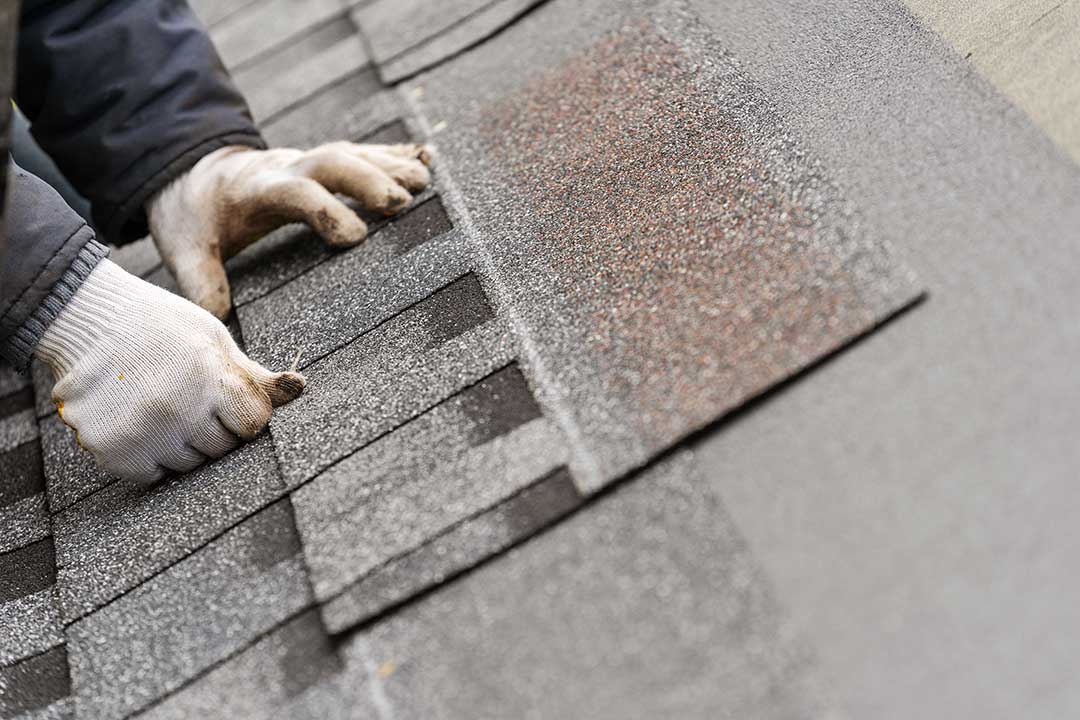
- Roofing cement or sealant, for quick waterproofing of small cracks or nail holes
- A flat pry bar, to gently lift shingles as needed
- Galvanized roofing nails, which resist rust in humid summers and snowy winters
- Utility knife with hook blades, useful for trimming shingles or underlayment
- Spare shingles, ideally leftovers from the most recent replacement
While these tools can help manage temporary fixes between storms or until a larger repair, always keep personal safety and the roof’s overall stability in mind.
What Common Mistakes Should Residents Avoid?
Homeowners sometimes overestimate the need for heavy equipment. Pressure washers, for example, are more likely to damage than clean; stick to gentler options unless otherwise indicated by roof manufacturer guidelines.
Another common error is skipping safety gear, especially for small tasks. Even a minor gutter cleaning can turn hazardous without proper footwear and an anchored ladder. Never lean over roof edges or reach beyond what’s comfortably accessible from your position.
Finally, avoid using chemical treatments or tools that aren’t intended for residential roofing, as they risk damaging the material or voiding warranties. Local climate and home styles in this area usually call for low-impact, preventive strategies rather than aggressive cleaning or scraping.
