
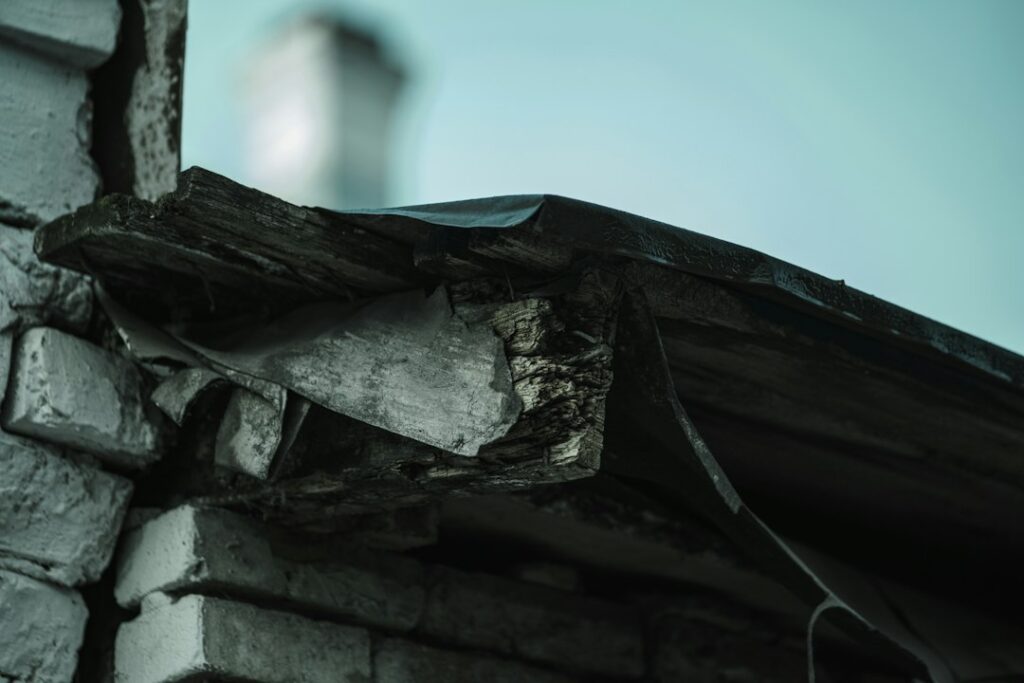
What are soffits and fascia?
Soffits and fascia are the finished components that help close, protect, and ventilate the edges of a roof. The soffit is the underside of the roof overhang, while the fascia is the vertical board or trim along the roof edge where gutters are commonly attached.
Together, these parts form a transition between the roof, attic, exterior walls, and drainage system. Although they are often treated as decorative trim, they perform several practical jobs:
- Protecting exposed roof and wall framing
- Supporting and securing gutters
- Allowing controlled airflow into the attic
- Blocking insects, birds, and small animals
- Directing rain and melting snow away from the structure
- Providing a finished appearance at the roofline
In East Aurora, NY, roof-edge materials must handle repeated cycles of rain, snow, ice, wind, freezing temperatures, and summer humidity. Damage in these areas can develop gradually and may not be obvious from the ground.
What does the soffit do?
The soffit covers the underside of a roof overhang. Its most important function is ventilation, particularly when it contains intake vents that allow outdoor air to enter the attic.
That incoming air works with higher exhaust vents near the roof ridge or upper roof area. As warm air rises, cooler air can enter through the soffits. This airflow helps manage attic temperature and moisture.
A properly functioning soffit can help reduce:
- Condensation on roof framing
- Moisture buildup around insulation
- Frost accumulation during cold weather
- Premature deterioration of sheathing and rafters
- Excessive heat in the attic during summer
Soffits may be made from aluminum, vinyl, wood, fiber cement, or other materials. Vented panels often include small perforations or narrow openings. These openings should remain clear rather than being sealed with paint, caulk, insulation, or debris.
Soffit ventilation does not replace attic insulation or air sealing. Warm, moist air from bathrooms, kitchens, laundry areas, or living spaces can still enter the attic if ductwork or ceiling penetrations are poorly sealed. Good attic performance depends on both controlling indoor moisture and maintaining balanced ventilation.
What does the fascia do?
Fascia is the vertical trim board positioned at the outer edge of the roof. It often sits behind the gutter and helps provide a solid surface for gutter hangers or mounting hardware.
The fascia helps:
- Protect the ends of roof rafters
- Cover the gap between the roof edge and exterior wall
- Support gutter attachment
- Keep water from reaching vulnerable framing
- Create a continuous finished roofline
If the fascia is soft, split, warped, or pulling away from the roof edge, the gutter system may no longer be securely supported. Water can also reach the wood behind the trim, where decay may spread into the roof edge or wall framing.
A gutter that appears to be sagging may have a drainage problem, but it may also be attached to weakened fascia. Adding new fasteners without addressing damaged wood can provide only a temporary improvement.
How do soffits and fascia work with gutters?
The roof edge, fascia, gutter, and downspout function as one water-management system. The roof sheds water toward the eaves, the gutter collects it, and the downspout carries it away from the foundation.
Fascia helps hold the gutter in position, while the soffit helps protect the underside of the overhang. If the roof edge is misaligned or deteriorated, water may overflow behind the gutter instead of moving through the intended drainage path.
Common warning signs include:
- Water stains below the eaves
- Peeling paint or bubbling finishes
- Gutters pulling away from the roofline
- Rusted or loose gutter fasteners
- Soft spots in the fascia
- Dark streaks or discoloration on soffit panels
- Standing water near the foundation after rain
- Icicles forming repeatedly along one section of the roof
During winter, ice dams can make these problems more noticeable. Ice may force water beneath shingles and into roof-edge materials. Repeated freezing and thawing can also expand small cracks, loosen trim, and worsen existing decay.
What causes soffit and fascia damage?
Water intrusion is the most common cause of deterioration, but it is not the only one. Problems can result from several conditions working together.
Roofing material that has reached the end of its service life may allow water to enter near the eaves. Clogged or poorly sloped gutters can overflow against the fascia. Missing drip-edge protection can allow runoff to move behind the gutter or beneath roof coverings.
Other causes include:
- Inadequate attic ventilation
- Blocked soffit vents
- Ice damming
- Wind-driven rain and snow
- Insects or birds entering open areas
- Animals nesting behind loose panels
- Improperly sealed roof penetrations
- Repeated painting over damp wood
- Condensation caused by indoor humidity

Wood fascia may rot internally before the damage becomes visible. Aluminum and vinyl soffits do not rot, but they can bend, crack, detach, or conceal damaged framing behind them.
How can a homeowner inspect these areas safely?
A basic inspection from the ground can identify many warning signs, but climbing onto a roof or ladder introduces fall hazards. Looking upward from several points around the house is often enough to identify conditions that require closer evaluation.
Check for:
- Uneven roof edges
- Sagging gutters
- Gaps between fascia and gutter
- Loose or missing soffit panels
- Blocked ventilation openings
- Peeling or blistered finishes
- Evidence of birds, insects, or small animals
- Water stains on exterior walls beneath the roofline
Inside the attic, look for damp insulation, darkened wood, rusted nails, frost, or daylight where the soffit and roof edge meet. Attic inspections should be performed carefully because some areas may have limited flooring, exposed nails, or unstable insulation.
Any condition involving structural decay, active water entry, electrical wiring, or difficult ladder access presents a safety concern rather than a routine maintenance task.
Should damaged soffits or fascia be repaired or replaced?
The correct approach depends on the material, the extent of damage, and whether the underlying framing is affected. A small section of loose aluminum trim may be repairable, while rotten wood behind a gutter usually requires removal of the damaged material and correction of the moisture source.
Replacing only the visible trim may not solve the problem if water is entering from:
- A roof edge without adequate flashing
- Failed sealant or exposed fasteners
- A leaking gutter connection
- Damaged shingles near the eaves
- Poor attic ventilation
- Condensation from unvented indoor moisture
Repairs should preserve the intended ventilation path. Covering vented soffits with solid panels, insulation, or excessive sealant can create a new attic moisture problem.
How do seasonal conditions affect roof edges?
Homes in the area experience weather that changes substantially through the year. Spring rain can expose leakage that was hidden by snow and ice. Summer humidity can worsen condensation in poorly ventilated attics. Autumn leaves can block gutters and soffit openings. Winter snow, ice, and repeated freeze-thaw cycles place additional stress on roof edges and drainage components.
Routine observation after major storms and seasonal gutter cleaning can help identify developing problems early. Keeping downspouts directed away from the foundation also reduces the amount of water that can splash back toward the fascia and lower wall surfaces.
Soffits and fascia may be small compared with the roof itself, but they connect several critical systems. Their condition affects attic ventilation, gutter stability, roof-edge protection, and the long-term resistance of the home to moisture.
